Organized
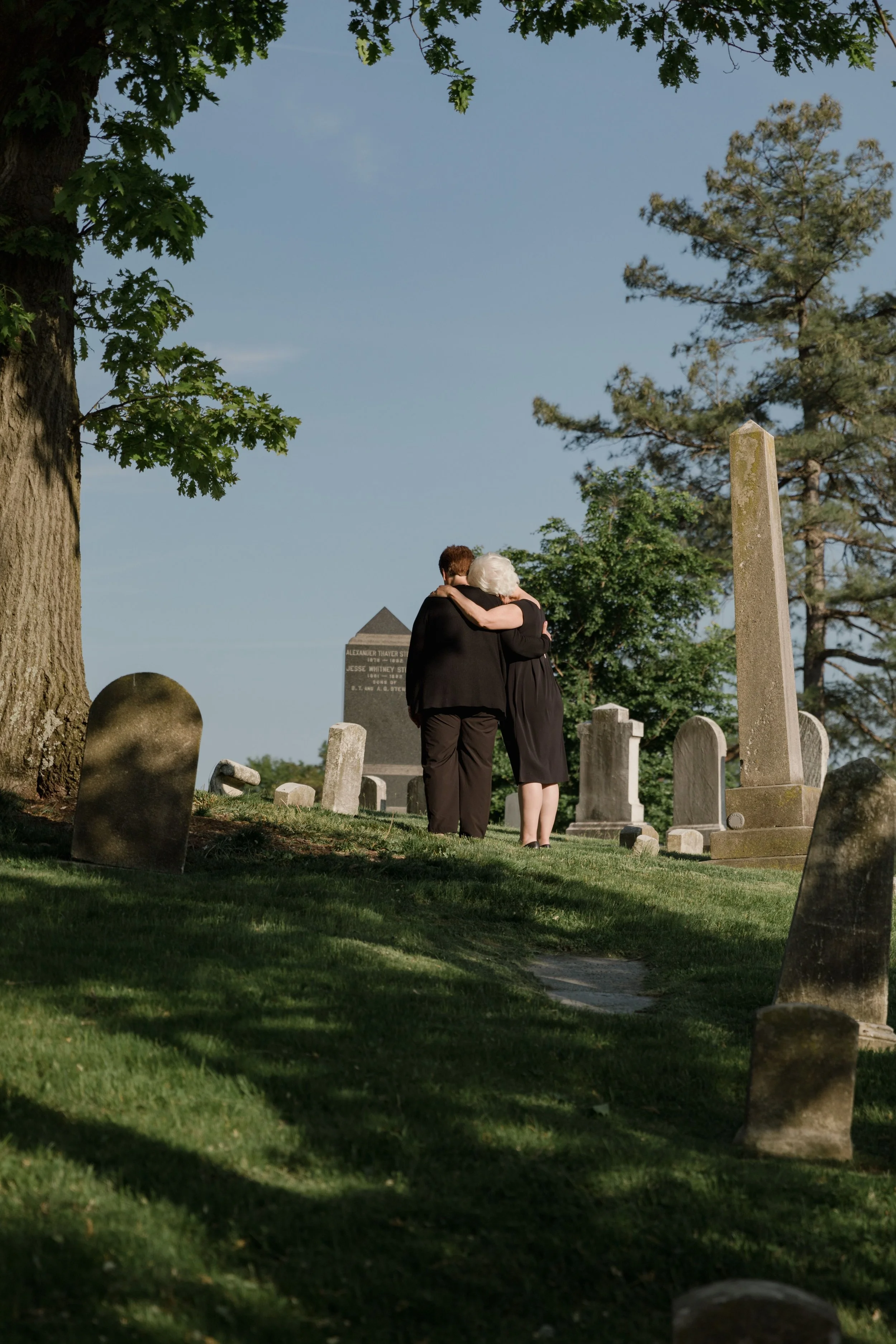
bereavement allows for healthy grief


Organized
bereavement allows for healthy grief
OTWWB envisions a world where every workplace recognizes the impact of loss creating spaces where employees feel seen, supported, and equipped to navigate the challenges that accompany significant life setbacks. We use a unique approach to promote awareness around the importance of grief & bereavement that empowers organizations to support employees by providing practical resources and compassionate guidance.


Services
We provide unique trainings and innovative solutions for businesses looking to increase employee satisfaction. We also offer in-house EAP style support for your employees who may need individual guidance for navigating the post-loss process.

Resources
From estate planning & funeral planning to grief education and support, find the answers to your questions here.


The Things No One Tells You About Grief
We expect grief to bring sadness, but few people prepare us for everything else. The exhaustion that sleep doesn't fix. The memory lapses that make us question ourselves. The friendships that change. The guilt that follows laughter. The moments years later when grief resurfaces without warning. In this compassionate, research-informed guide, we explore the hidden realities of life after loss, blending neuroscience, grief education, and lived experience to reassure you that these often-overlooked experiences are not signs that you're grieving incorrectly. They are some of the most human parts of grief.
The Myth of Closure: Why Grief Doesn't Need an Ending
For generations, we've been told that healing means finding "closure." But modern grief research tells a different story. Grief is not about letting go of the people we love. It's about learning to carry their memory, influence, and love forward as life continues. This article explores the science of attachment, the concept of continuing bonds, and why moving forward doesn't require moving on. If you've ever wondered why you still think about someone years after they've died, this evidence-based guide offers reassurance that you're not grieving wrong. You're grieving like a human being who loved deeply.
Pride, Authenticity, and Grief: Mourning the Years You Didn't Get to Live Fully
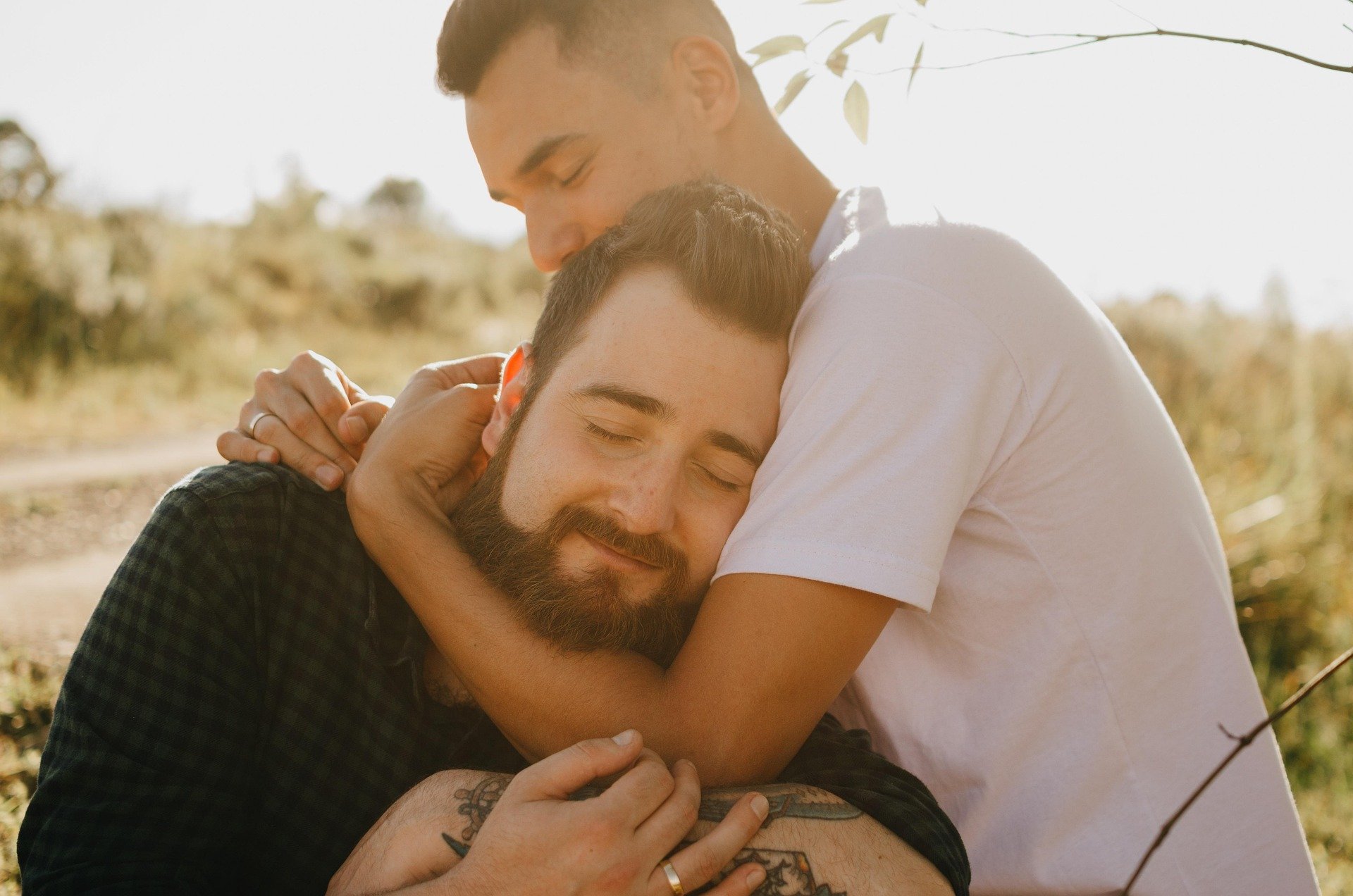
Not all grief begins with death. Sometimes it emerges when we finally recognize what was lost along the way. For many people, living authentically can bring relief, freedom, and joy, while also stirring grief for missed experiences, lost opportunities, and years spent hiding parts of themselves to survive. This Pride Month, we explore the complex relationship between authenticity and grief, and why it is possible to celebrate who you are today while mourning what it cost to get here.
Men's Grief: The Losses We Don't Give Men Permission to Talk About
Grief is often misunderstood when it comes to men. While cultural stereotypes suggest men grieve less, research shows they frequently grieve differently. From increased focus on work and productivity to withdrawal, irritability, and physical symptoms, loss often shows up in ways that are easy to miss. In honor of Father's Day, this article explores the realities of men's grief, the neuroscience behind it, and how families, friends, workplaces, and communities can better support grieving fathers, sons, brothers, husbands, and partners.
Some losses are easy to name out loud. Others are carried quietly, not because they matter less, but because there’s no clear place for them to land. No role to point to. No title that makes it make sense. No obvious invitation into the circle of people who are allowed to grieve publicly. This is what’s known as Disenfranchised Grief, grief that isn’t openly acknowledged, socially validated, or fully supported, not because it isn’t real, but because it doesn’t fit the categories people recognize. This piece explores what that looks like in practice, why it’s often misunderstood, and how to navigate a loss that doesn’t come with a clear place to put it.
Mother’s Day carries a wide range of grief that rarely gets named out loud, especially in public or professional spaces. Grief for a mother who has died. Grief for a child. Grief is tied to infertility, pregnancy loss, estrangement, complicated relationships, or the version of motherhood someone expected but never had.
Grief does not end. What changes is not whether grief exists, but how it lives in the body, the brain, and daily life. Most people are told that grief gets easier with time. What they are rarely told is what that actually means.
Returning to work after a loss is not just a scheduling decision. It is a neurological transition. Grief affects attention, memory, reaction time, and stress tolerance, all of which shape performance, especially in high-stakes roles. Most people want to return and contribute. When workplaces understand the cognitive realities of grief, they protect not only the employee, but performance, safety, and retention.
Adults often underestimate children’s capacity to understand grief and overestimate the harm of honest conversations about death. Understanding how children experience grief requires understanding how their brains develop, how meaning is constructed over time, and how attachment and safety shape emotional processing.
Grief is often spoken about as a process that unfolds naturally over time. For many people, this is true. But for others, grief does not soften. It intensifies, stagnates, or becomes all-encompassing.This is often described as complicated grief (also called prolonged grief disorder).complicated grief is not a failure of grieving. It is a sign that the brain and nervous system have been overwhelmed by the loss.
In the weeks or months after a loss, many people are encouraged to “find support.” Often this suggestion comes without explanation, as if all support is interchangeable. It is not. From a neurobiological standpoint, the wrong kind of support can intensify stress responses, while the right kind can help stabilize a nervous system that has been thrown into chaos…
As the calendar slides from October into November, the air shifts. cooler mornings, longer nights, and a collective turn toward memory. Across Mexico and much of Latin America, this time marks Día de los Muertos, the Day of the Dead: a celebration that defies silence, fear, and the Western discomfort with death. It’s not Halloween, though the timing often confuses outsiders. It’s not a festival of horror or morbidity. It’s a reunion! A vibrant, sensory conversation between the living and the dead.
The New Year—a time often synonymous with fresh starts and hopeful resolutions—can feel profoundly different when you’re grieving the loss of a loved one. While the world around you celebrates the promise of new beginnings, you might find yourself grappling with the ache of their absence and the uncertainty of moving forward without them.
If you're grieving, it can be hard to find comfort in what’s meant to be a joyful time. And if you're supporting someone who is grieving, it can be challenging to know how best to help. The good news is that there are strategies for both grievers and those who support them to make the holiday season a bit more manageable.
Grief is a universal experience, yet no two people grieve in exactly the same way. The nature of the loss can significantly shape how one processes and copes with grief. One of the most defining factors is whether the loss was sudden or anticipated. Both types of loss bring their own unique challenges and emotions, and understanding these differences can help in navigating the grieving process.
The loss of a loved one is one of life’s most profound challenges. It brings with it a whirlwind of emotions—sorrow, confusion, and sometimes even anger. Among these emotions, guilt and regret often stand out, casting a long shadow over the grieving process. These feelings can be overwhelming, making it difficult to move forward. But understanding them is the first step toward healing.
Unlike conventional grief that follows a loss, anticipatory grief allows individuals to begin the process of mourning while the person is still alive. While it might seem that this early grieving could ease the transition after the loss, anticipatory grief brings its own set of challenges and emotions
In today's fast-paced professional environment, the well-being of employees has never been more crucial. Among various aspects of workplace wellness, the ability to support employees through grief is often overlooked.
As a widowed mom, this day brings a mix of emotions, but it also offers a chance to celebrate the love, strength, and resilience that define our families. Here’s how I navigate Father’s Day and turn it into a day of honor and remembrance.


I asked myself the very same question a thousand times on my own grief journey
I am not a therapist, nor am I a financial advisor or an estate planner. What I am is a widow, and that experience is one of the things that uniquely qualifies me to do this work; I live this reality every day. Two years after my husband's death, I found a way to approach the harsh truth that is grief and bring it out of the shadows to help normalize this experience for others.
We often expect to “get over it” when someone dies, but the reality is that we don’t; instead, we adapt. Death and grief, along with everything in between, are rarely discussed openly, and I am here to change that. I understand that every story is different, but the underlying theme is the same: grieving is hard, and navigating it in an ill-prepared society makes it even harder.
My experience is not a simple one, or a short one but, simply put, I had the greatest gift life could have given me. I was happily married to my soul mate for 7 incredible years. Craig and I had started to build the life of our dreams; we were living in our dream house, had just welcomed our second child and both were making great strides in our careers.
and our love story is a storied tale all its own… those who already know it, know that the kind of love Craig and I shared, was the kind of love that you only see in movies. (but that’s a different story for another time).
Craig died of medical negligence. It was completely avoidable, purely accidental, and it absolutely devastated me…












Explore the 2026 Grief Awareness & Education Conference: Meaning Making at Work, happening September 24 in Hartford, CT, and September 25 virtually. Meet this year's experts and discover sessions exploring workplace grief, grief-literate leadership, resilience, organizational culture, communication, and practical tools for supporting people through loss and change.